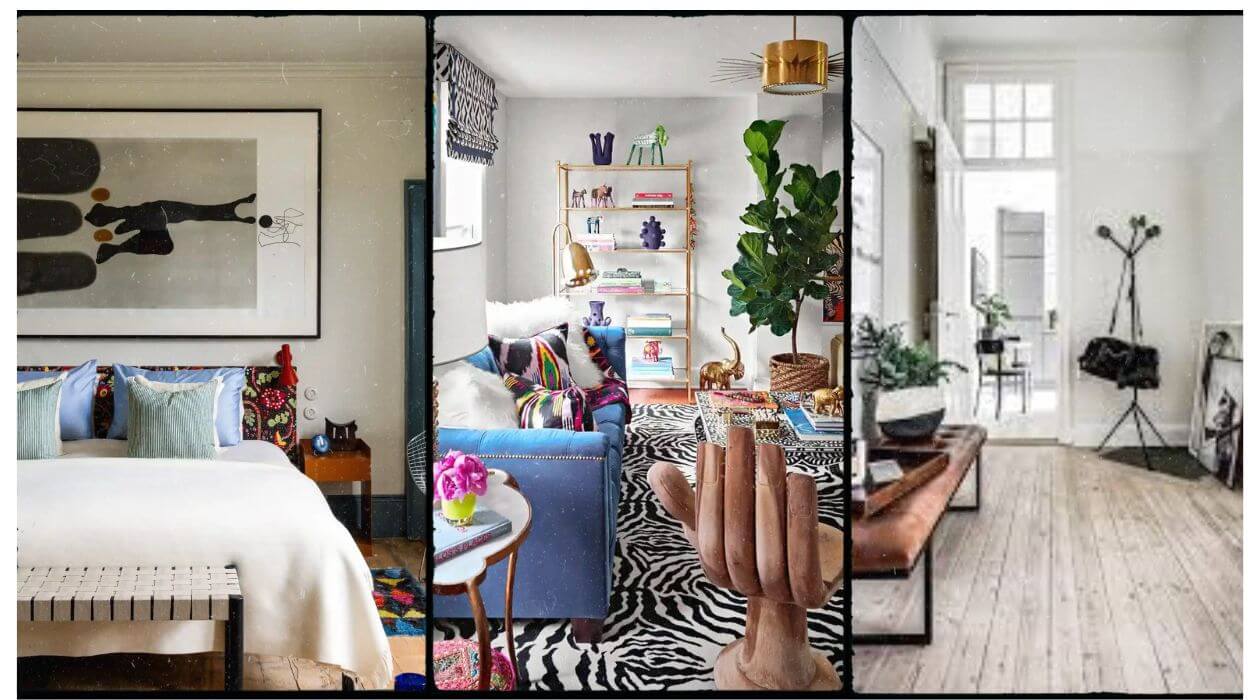
This post will help you find the perfect style of your home with simple interior design tips.
If you’ve ever opened Pinterest looking for inspiration and ended up more confused than when you started, and will pins for that seem to span every home styling option available. Well your not alone.
One minute, you love minimal space. Next, you’re saving cozy, layered rooms, and suddenly you have no idea what your style of home is.
The truth is that most people don’t struggle with decorating. They struggle with clarity and direction.
This guide breaks it down into simple, realistic interior design tips so you can confidently define your style, without making expensive decor mistakes.
Why Finding Your Style of Home Feels So Hard
There’s nothing wrong with you and your ability to make a decision; it’s just that the internet makes it harder.
You’re constantly exposed to endless trends, perfectly styled spaces, and conflicting room layout ideas. One site or creator tells you one thing, and another will say almost the complete opposite.
Instead of helping, it creates overwhelm. You start second-guessing every decision. From your room plan layout to even the smallest of decor choices.
And when you don’t have the guidance of an interior designer, it’s easy to feel stuck.
That’s why it helps to strip everything back and start with the basics.
Step 1: Start With How You Want Your Home To Feel
Before thinking about furniture or colors, ask yourself, “How do I want my home to feel?”
This is the foundation of the style of your home. One of the best interior design tips is being able to clearly define how you want your home to feel. Then choosing decor, colors, and even your room layout becomes much easier.
Because your home should support your everyday life and vibe, not just look good.
Think of your home’s feeling in terms of:
- Calm And Minimal
- Clutter-free, quiet, and mentally relaxing.
- Cozy And Relaxed
- Soft textures, warm lighting, and inviting spaces to relax.
- Bright And Airy
- Light-filled, fresh, and open
- Clean And Structured
- Organized, balanced, and functional.
- Natural And Grounded
- Wood, linen, and earthy tones.
- Lived In And Effortless
- Relaxed, slightly imperfect but comfortable.
- Modern And Sleek
- Sharp lines, minimal decor with intentional simplicity.
- Bold And Expressive
- Statement pieces, contrast, very personality driven.
- Light And Serene
- Peaceful, uncluttered, with an almost spa-like quality.
- Warm And Welcoming
- Soft lighting, layered decor with an inviting layout
- Minimal But Warm
- Clean spaces without feeling empty or cold.
- Soft And Layered
- Neutral tones with texture
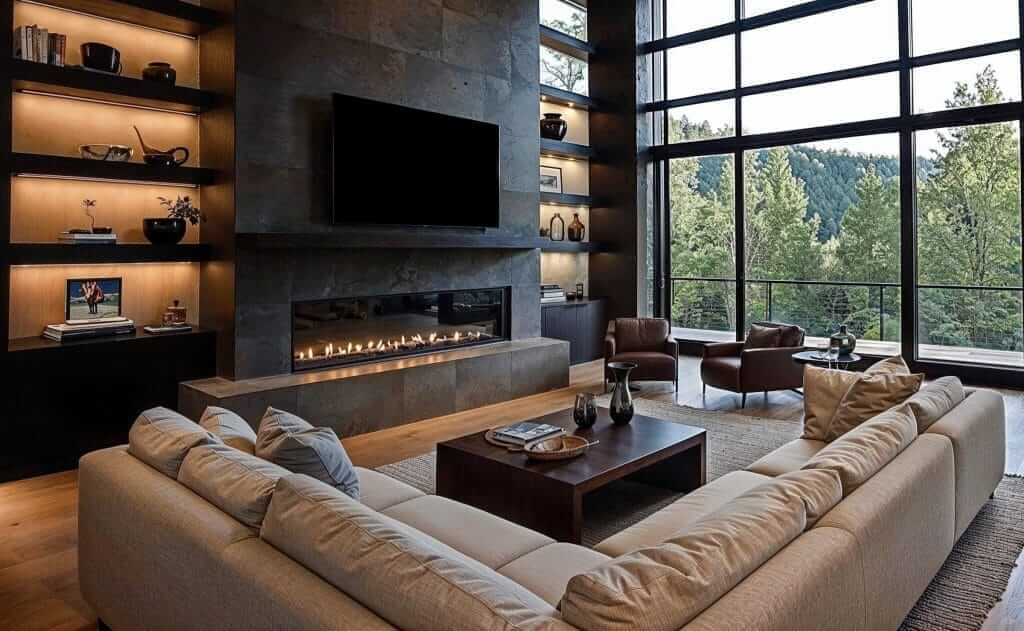
- Warm But Moody
- Deeper tones, soft lighting, an intimate atmosphere.
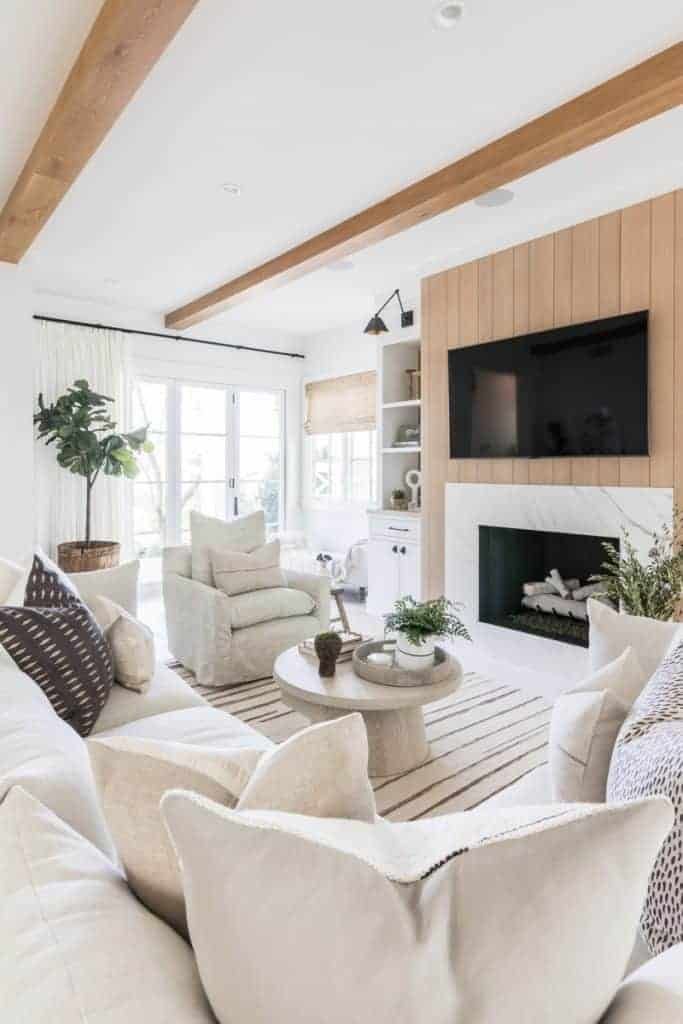
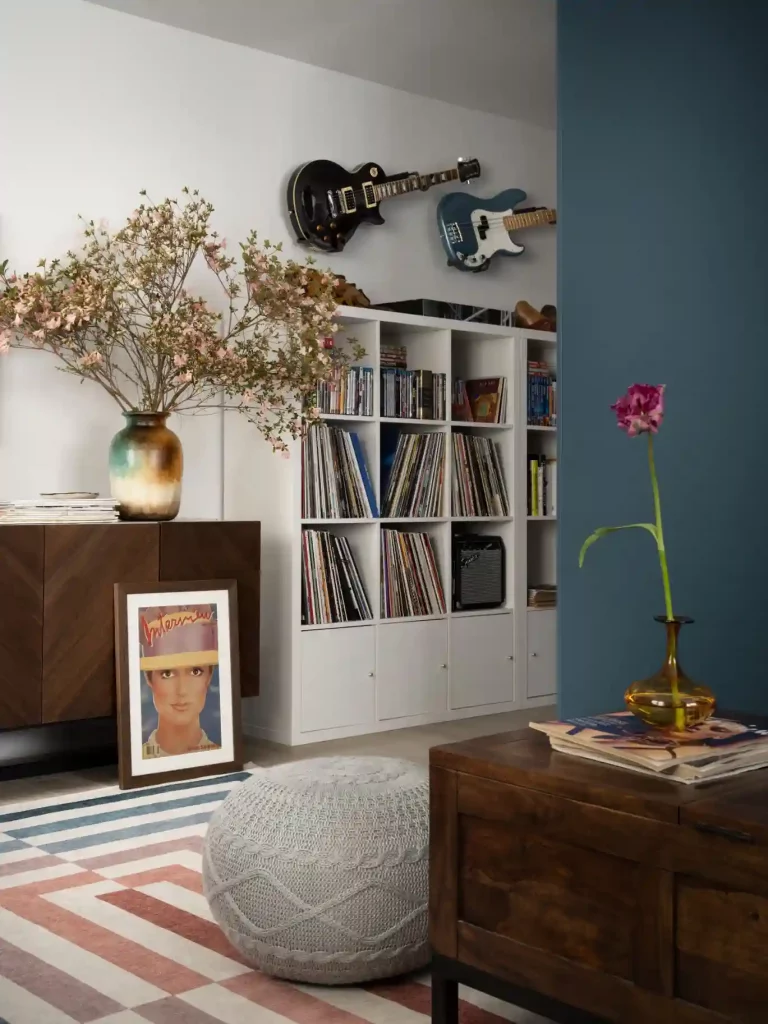
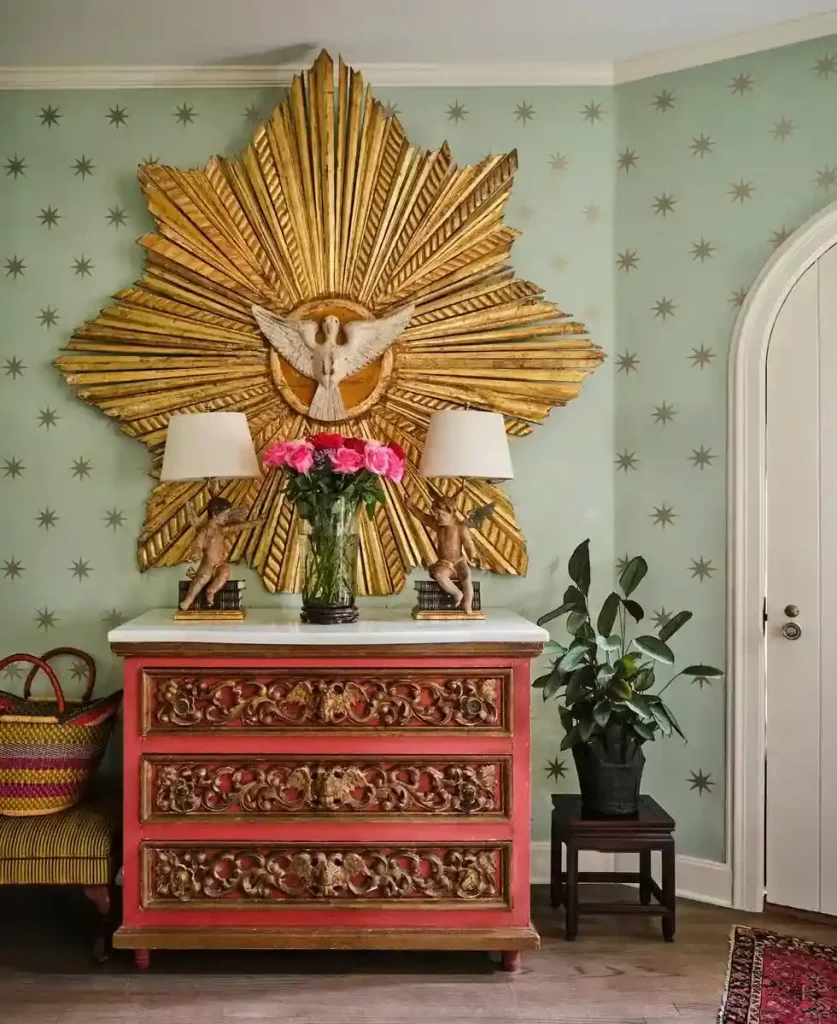

If you want to skip the trial and error phase, The Dreamhome Guide helps you define your style and make confident design decisions from the start.
Step 2: Spot Patterns In What You Already Love
Take a look at your saved inspiration and start noticing patterns. You’ll quickly see a direction forming. That is the style of home that you are naturally drawn to.
This step is often overlooked, but it prevents major decor mistakes later on.
Ask Yourself:
- Do I prefer light or dark spaces?
- Are clean lines of soft shapes my preference?
- What materials repeatedly show up?
Step 3: Narrow Down The Style Of Your Home to 1 – 2 Directions
One of the biggest interior design tips you’ll hear (and probably ignore) is: Don’t mix too many styles.
Instead, choose one main style for your home and one supporting style. This helps create a cohesive room plan layout instead of a space that feels random.
Your main style creates your structure and room layout, while your secondary style adds personality and comfort.
This is how an interior designer would approach a space.
Some examples of this are:
- Modern Minimalist + Warm Organic
- Clean lines softened with wood, linen, and natural tones.
- Japandi + Cozy
- Calm and minimal with subtle warmth and comfort.
- Classic + Modern
- Timeless pieces mixed with clean lines for a more updated look.
- Organic + Slightly Rustic
- Natural materials with characters and imperfections
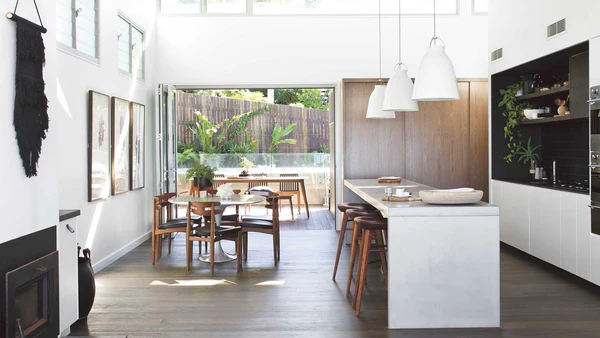
Popular Style Of Home Aesthetics. A Simple & Quick Guide
Minimalist
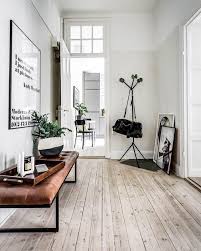
Simple, clean, and clutter-free, with a focus on function and intuitive room layout ideas.
Scandinavian
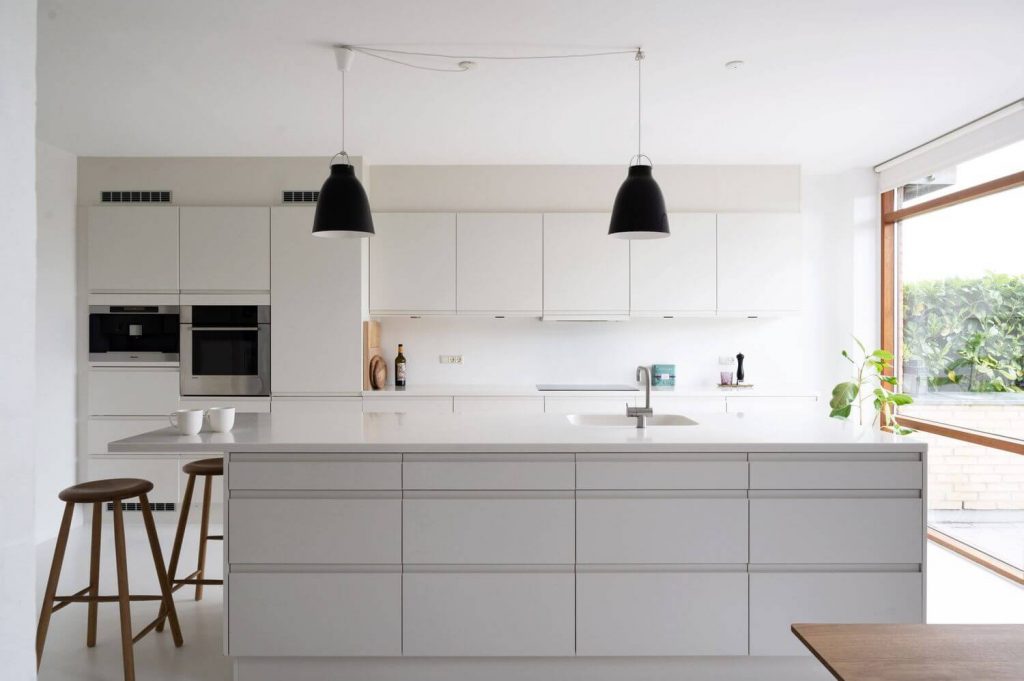
Light, airy, and practical with natural textures like wood and linen. Perfect for those who want simple and affordable home upgrades that make a space feel brighter and more open.
Japandi
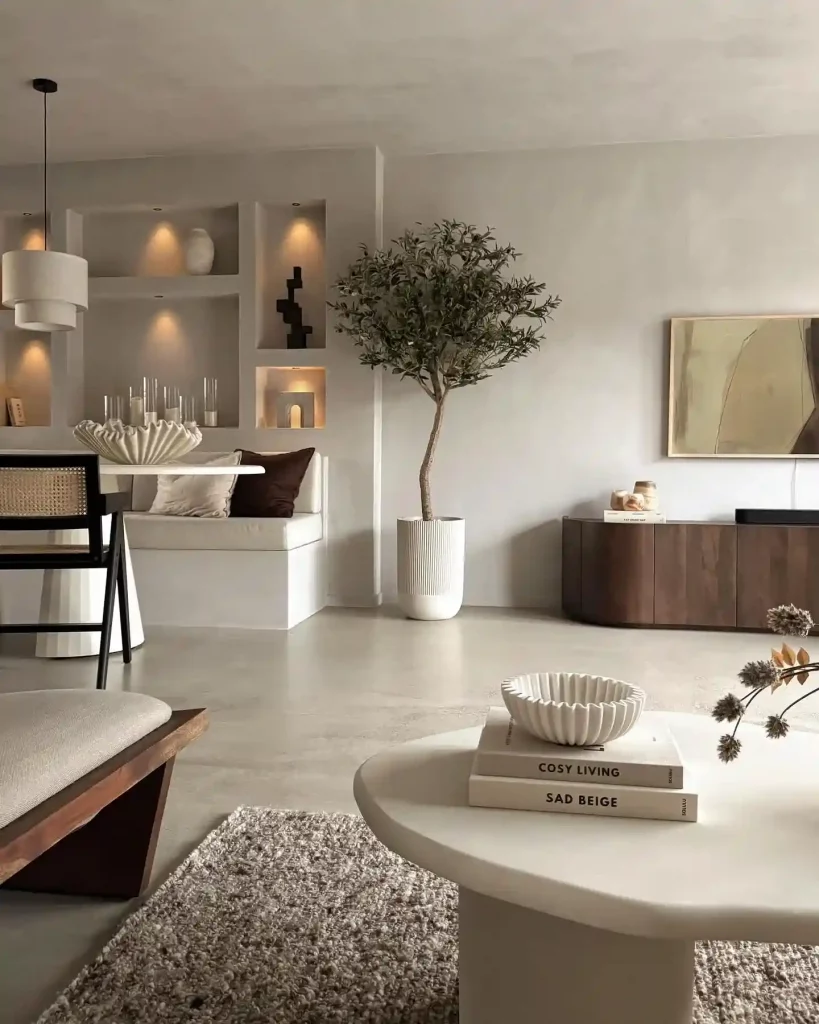
A calm mix of Japanese and Scandinavian styles. Minimal and balanced but slightly warmer.
Modern Organic
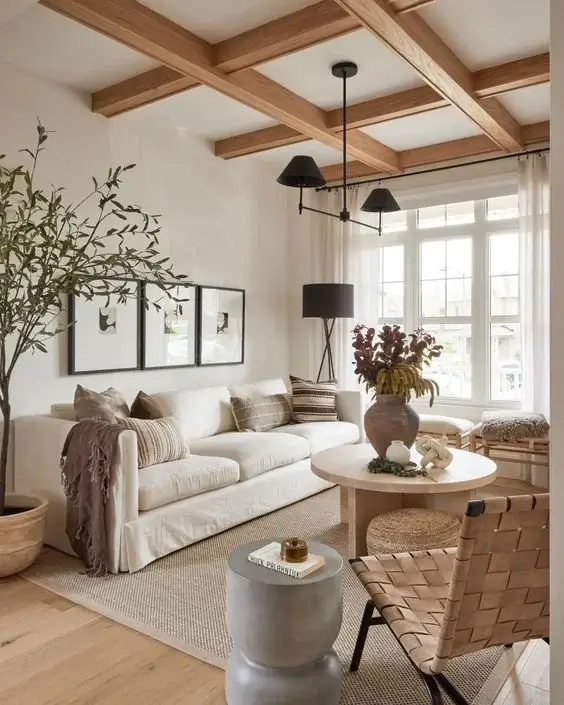
Neutral tones using a lot of natural materials like linen, wool, stone, and wood. One of the easiest styles to achieve with small home upgrades that still feels elevated and cohesive.
Contemporary
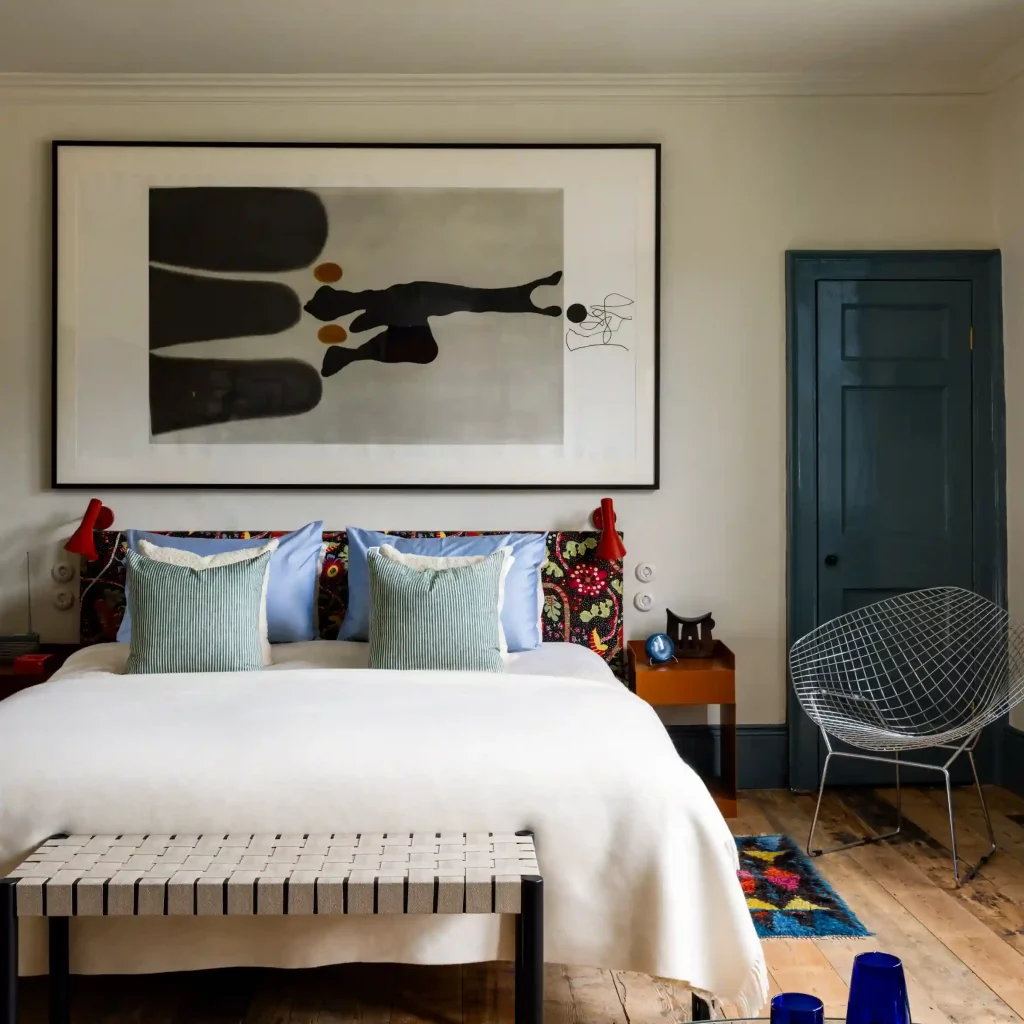
More of a trend-driven style that can definitely also be timeless, it is rooted in clean lines and simplicity. It’s a style that evolves, which makes it flexible.
Farmhouse / Cottage
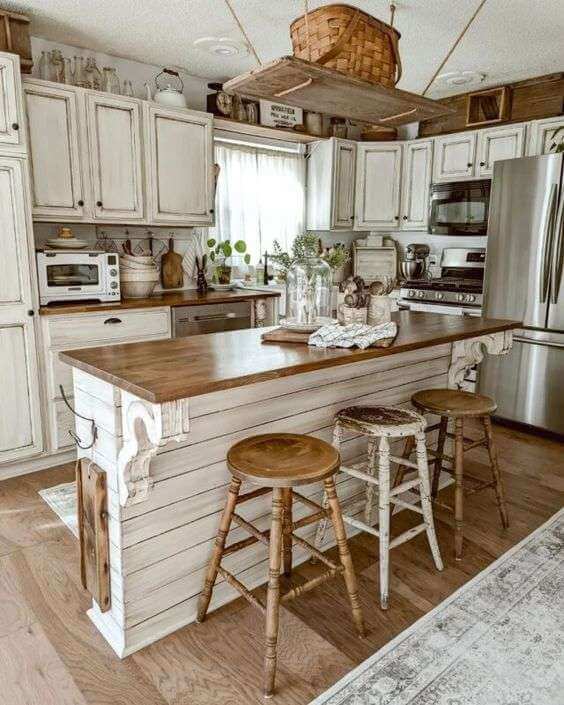
Warm, inviting, and slightly rustic with soft textures and lived-in charm. It’s an easy style for finding both furniture and decor at thrift stores. It is also another style that is ever evolving and flexible.
You can explore more in How to Create A Cozy Cottage Living Room. Perfect for gathering inspiration on tips for a cottage or farmhouse-style home.
Boho (Bohemian)
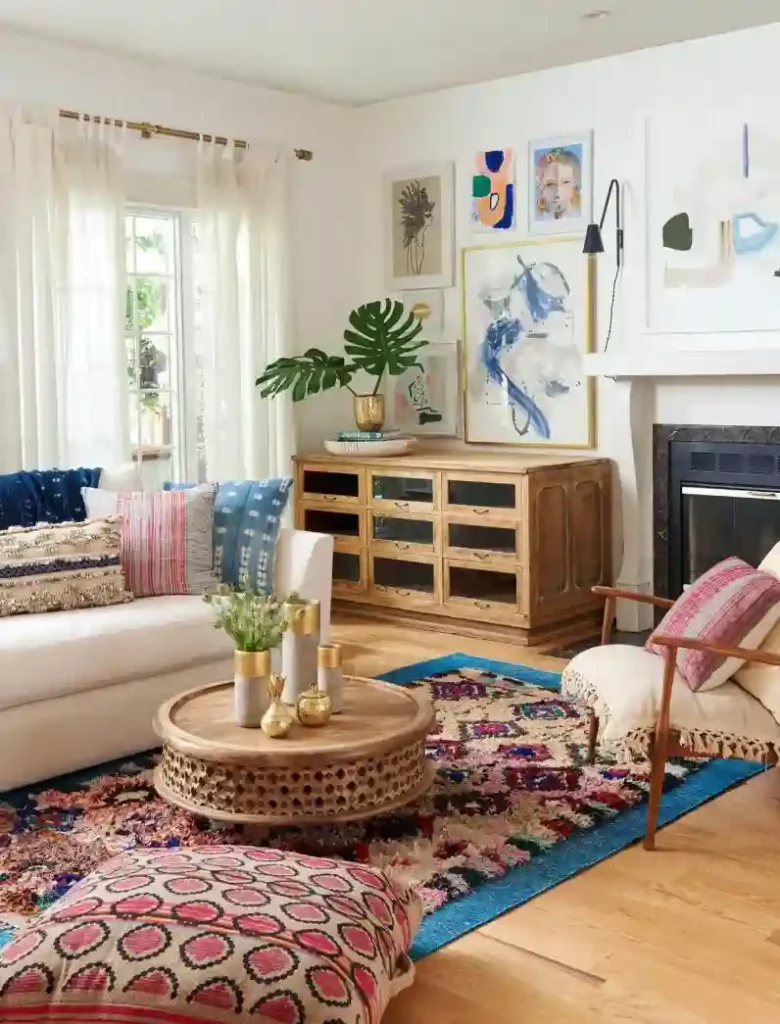
Relaxed, creative, and full of personality. It mixes textures, patterns, and stories for a collected and effortless feel.
See lore in, How to Create a Bohemian Style House, to avoid common decor mistakes while layering this style.
POP (Playful / Colorful Style)
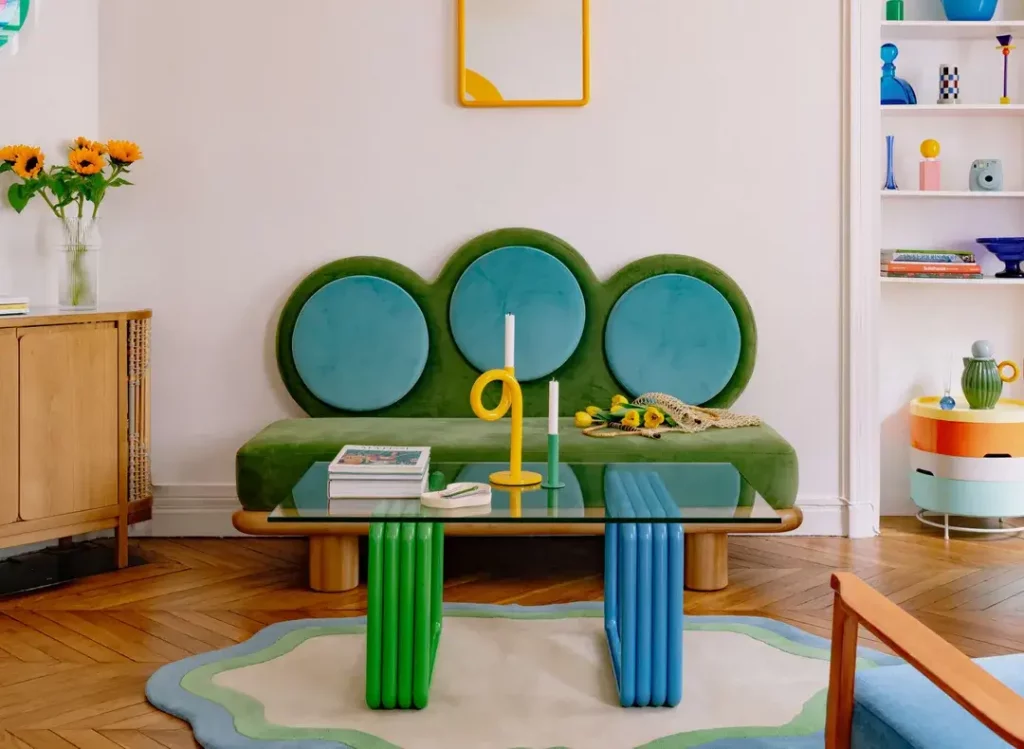
Bold, expressive, and personality-driven. Think bright colors, statement pieces, and fun contrasts. Great if you want the style of your home to feel unique and energetic.
Funhaus Style
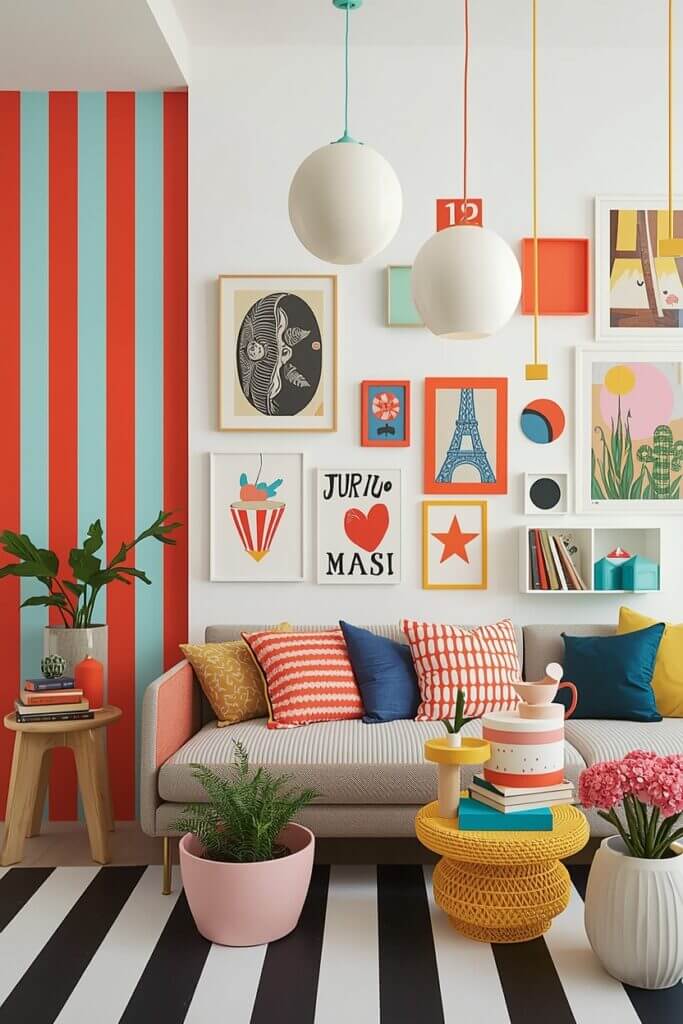
Eclectic, bold, and slightly unconventional with unexpected design choices. Vers heavily toward vintage circus and fun fair style choices. Blending modern elements with playful, artistic touches.
Explore more in A Funhaus Style Home Guide for creative room layout ideas and standout decor.
Maximalism
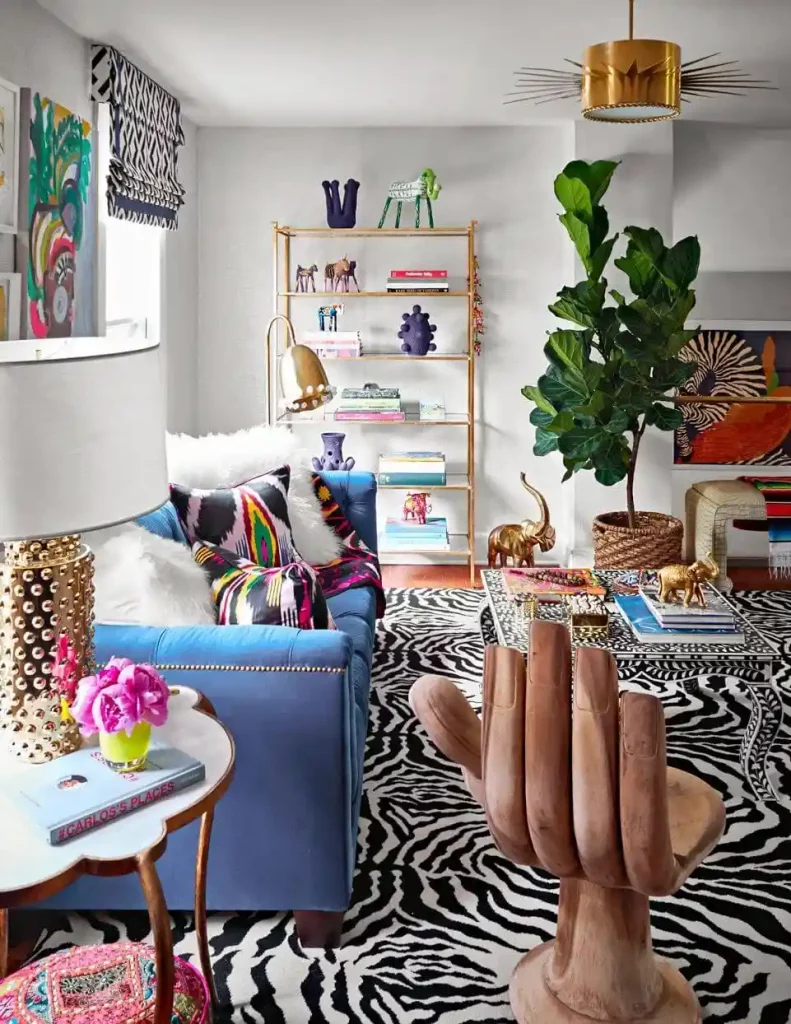
Layered, expressive, and full of detail. This style is the opposite of “less is more,” embracing color patterns and personality. To avoid a chaotic feel, following intentional interior design tips is very important.
Step 4: Create A Simple Style Of Home Formula
Now all you need to do is simplify everything you have found about what you love.
To make your room plan layout easier and to avoid impulse buying, break down what you need to have the style of your home to be:
- 3 Main colors
- 1 Dominant base color, for walls or large furniture, usually a neutral shade.
- 1 Secondary color, this adds depth with soft contrast or warmth
- 1 Accent color, used for decor
- 2 – 3 Key Materials
- Repeating materials according to your space helps tie everything together and is one of the top interior design tips for creating a polished look.
- 1 – 2 Furniture styles
- This helps build structure and keeps your room consistent while still adding interest.
- One main furniture style, like clean lines, modern, classic, etc.
- One secondary style, adding softness and contrast like curves, textures, or vintage touches.
This is one of the simplest interior design tips, but it is also one of the most powerful. It gives you a true direction to follow.
Step 5: Test Your Style With Small Home Upgrades
Before committing to big furniture and a full redesign test you style with small home upgrades. Like pillows, lamps, inexpensive wall art and decor pieces.
This lets you refine your home styling without the risk of any expensive decor mistakes. It also helps you see how everything works together and see how your new room layout ideas actually work.
Common Decor Mistakes That Ruin The Style of Your Home
Even with the best inventions, these decor mistakes can throw everything off. But if they happen to you, dust yourself off, take a breath, and reevaluate.
- Buying everything at once
- Ignoring your plan for the room layout
- Following trends instead of your lifestyle.
- Mixing too many styles.
- Because even interior designers focus on balance and function first.
How to Bring Your Style Together (Without Overthinking It)
Once you have defined the style of home you are after, the hardest part is actually putting it together.
This is where a lot of people get stuck. Trying to plan layouts, choose pieces, and make everything feel cohesive.
If you want a clear path, without hiring an interior designer. Then tools like The Dreamhome Guide can help simplify the process.
It walks you through:
- Planning the layout of rooms
- Choosing cohesive decor
- Making intentional home upgrades.
- And it can also help you narrow down your style
The Style of Your Home Doesn’t Have To Be Perfect, As Long As You Love It
Here’s the truth. Your style of home will evolve, and that’s a good thing. Because the goal isn’t perfection, it’s creating a space that feels like you.
Start simple, follow what you naturally love, and use these interior design tips as you guide.
You’ll avoid getting overwhelmed and finally create a home that feels put together, calm and completely yours.