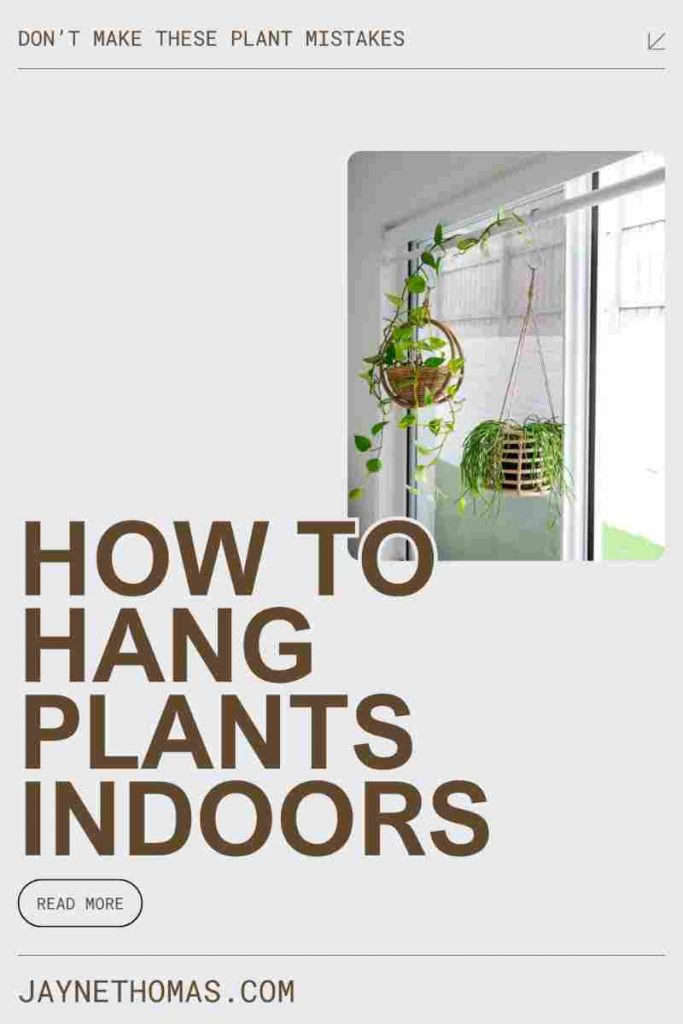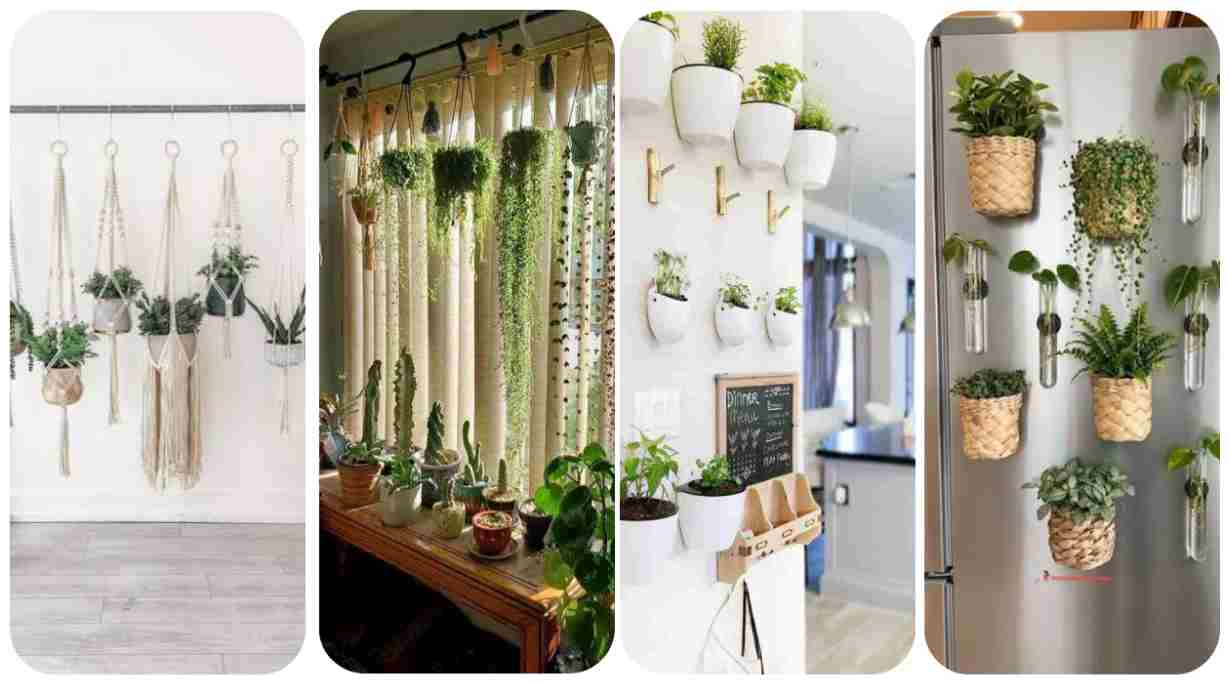
If you love the look of hanging plants but you’re renting, you’ve probably asked yourself. How do I hang plants indoors without drilling holes in the walls or ceiling?
The good news is, you don’t need to drill holes or risk losing your deposit to create a beautiful indoor plant aesthetic.
In this guide, you’ll find renter-friendly ways to hang plants indoors, some practical tips, wonderful styling ideas, and how to avoid the most common mistakes. Whether you live in a small apartment or just want some simple solutions for the best ways to hang your plants. These ideas are simple and budget-friendly but ultimatley that actually work.
If your just getting started with styling greenery in your home, check out our full guide on Using Plants to Decorate your Home.
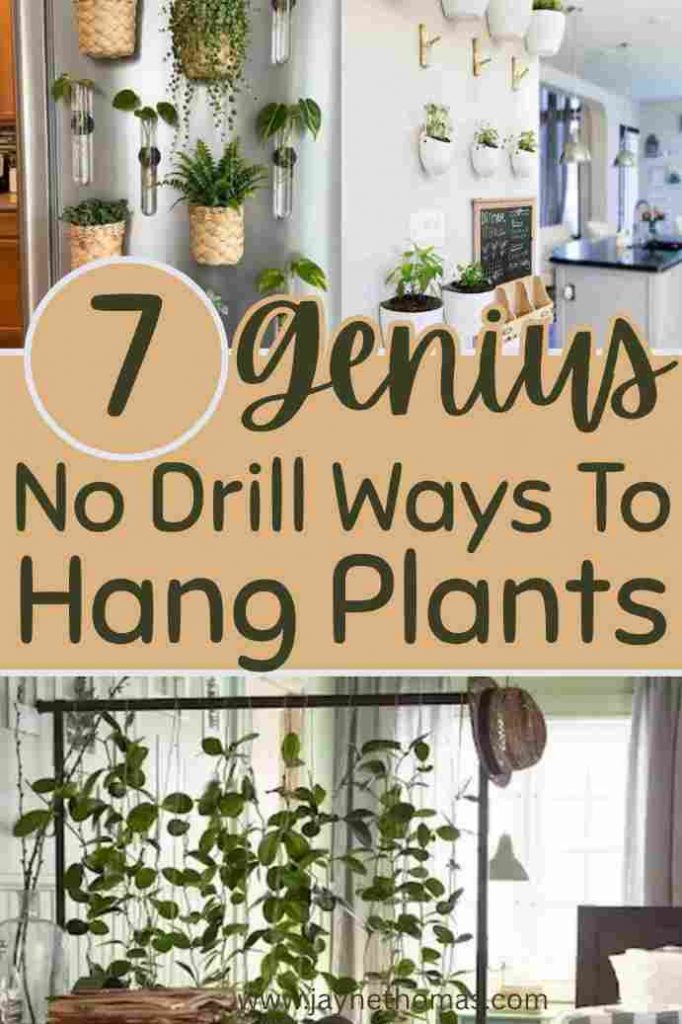
Why Hanging Plants Work So Well in Small Spaces
Hanging plants are one of the easiest ways to decorate without taking up any floor space. Instead of filling your shelves and countertops with plants, you can use vertical space to create a clean and airy look.
Hanging plants don’t just look really cool and stylish; they add warmth and texture to the room. While making a small space feel bigger because they work in any room, from kitchens to tiny bathrooms.
Creating a stunning aesthetic with the aid of indoor house plants is one of the most effective upgrades you can make without major changes.
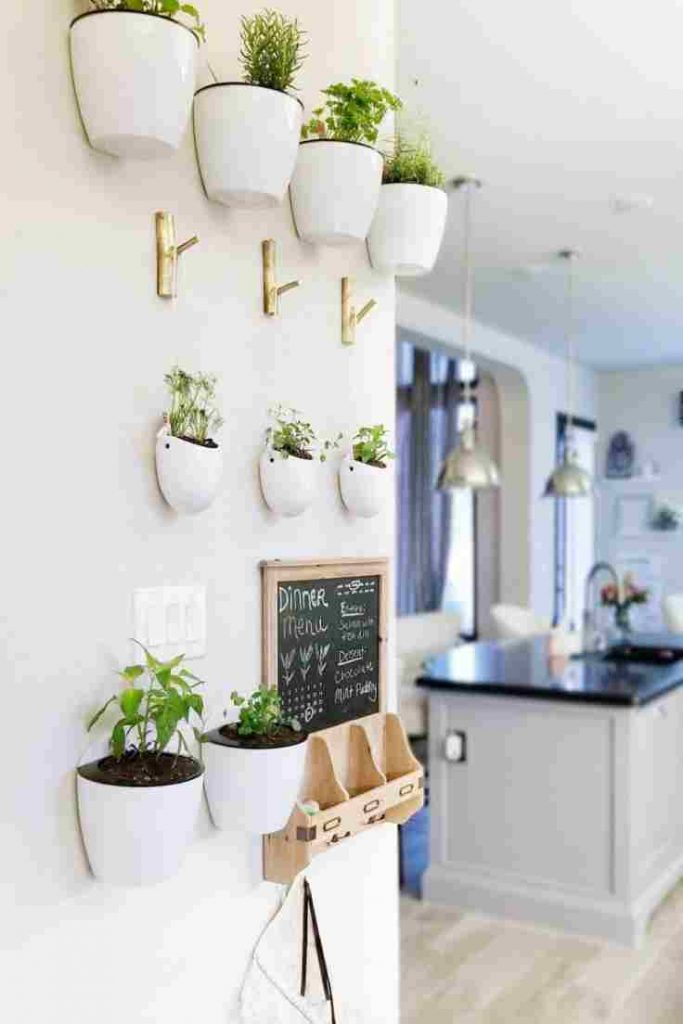
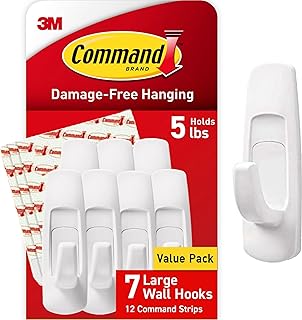
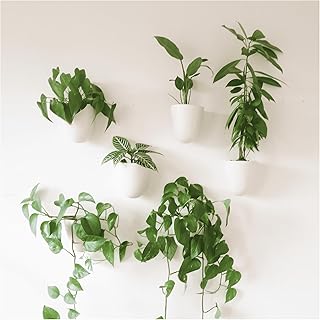
1. Use Adhesive Hooks (The Easiest No-Drill Option)
Adhesive hooks are one of the most popular ways to hang plants indoors without drilling. The most important thing to remember is not to overload the hook, seems obvious, but it is one of the most common reasons these hooks fail.
- Why do they work?
- No tools are needed at all.
- They are ridiculously easy to install.
- Very affordable and widely available.
- How to use them properly.
- Ensure you choose hoops with a higher weight limit than you think you will need.
- Clean the wall thoroughly before installing.
- Let the adhesive set for several hours before hanging anything.
- Best for.
- Lightweight plants like pohtos, strings of pearly or small ferns.
- Best for smooth surfaces like painted walls, tiles, or cabinets.
2. Tension Rods for Window Plant Displays
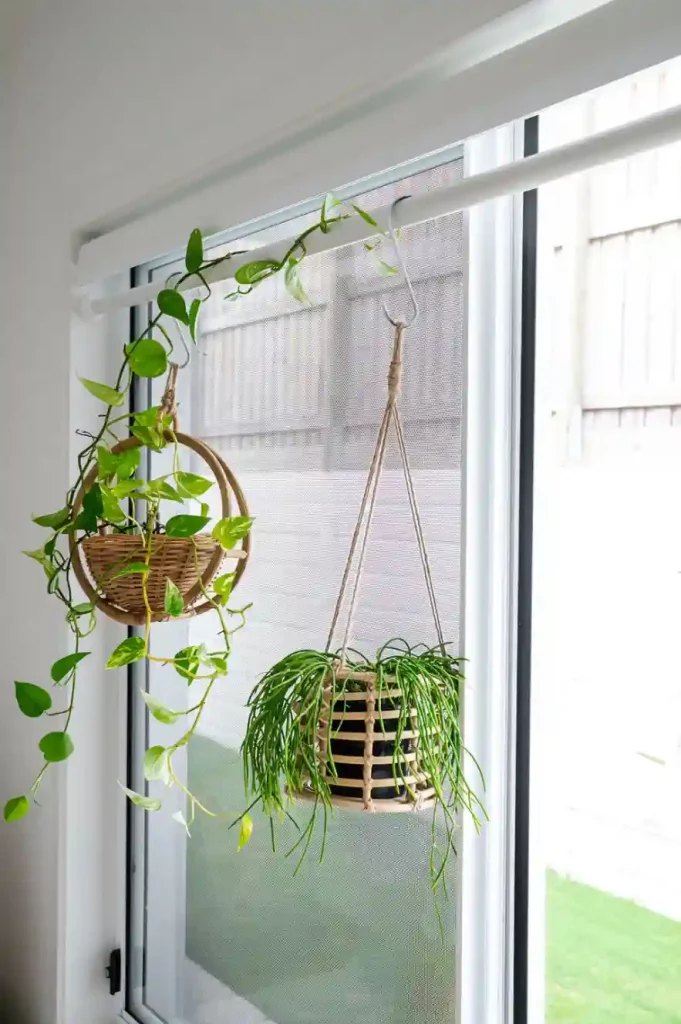
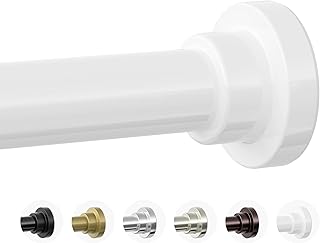
Tension rods are not just for curtains; they are one of the smartest, renter-friendly ways to hang plants indoors. This idea is especially great if you want your plants to thrive while still being stunningly decorative.
- How it works.
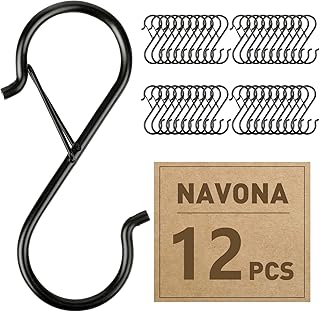
- Place a tension rod inside a window frame and hang small plants using S-hooks or macrame hangers.
- Why is this a great idea?
- There will be zero wall damage.
- Perfect for making the most out of natural light, without blocking it.
- Honestly, it will be a Pinterest-worthy plant display.
- Fits perfectly in.
- Kitchens
- Living rooms
- Small apartments with limited surfaces.
Want to take this further? Use plants for privacy, especially in apartments. Here are some simple ideas to create Window Privacy With Plants.
3. Over-the-door hooks for Hidden Spaces
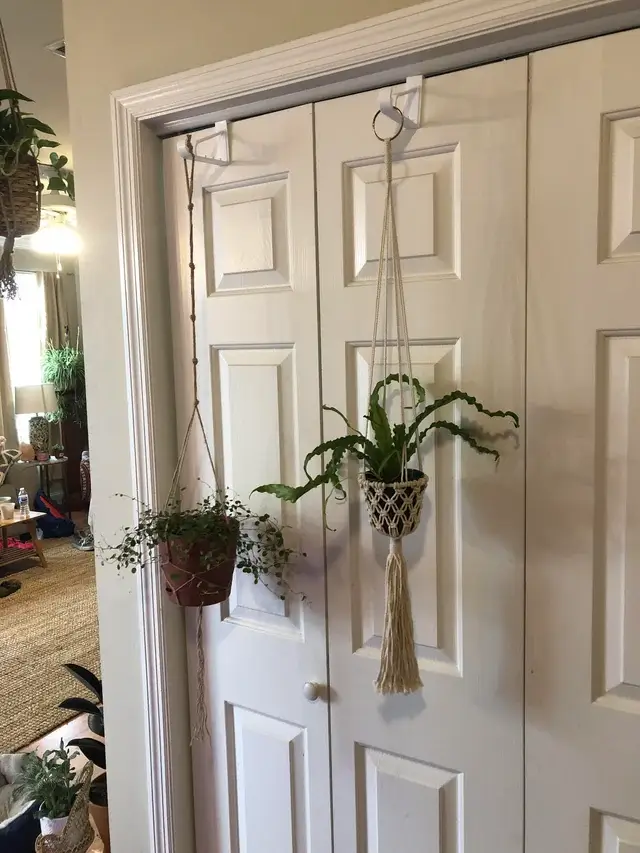
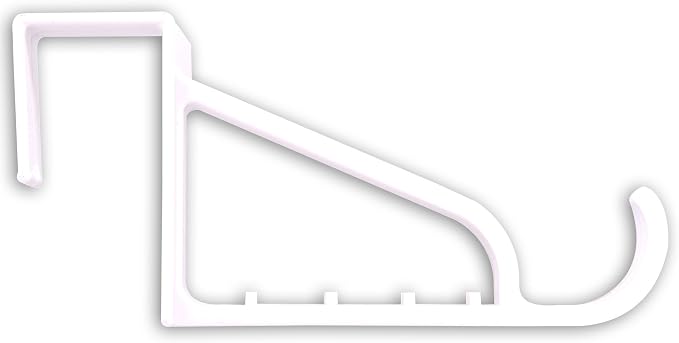
Doors are often overlooked when people decorate, but they offer valuable vertical space. It’s a simple way to add greenery without adding anything to the walls.
- How to use.
- Place an over-the-door hook on top of the door.
- Add lightweight hanging plants or trailing greenery.
- Why does it work wonderfully?
- No installation at all.
- Completely removable with zero trace, it was ever there.
- Great for small spaces or cluttered spaces.
- Best places to try.
- Bedroom doors
- Closet doors
- Bathroom doors
- interior doors that aren’t used.
4. Use a Clothing Rack
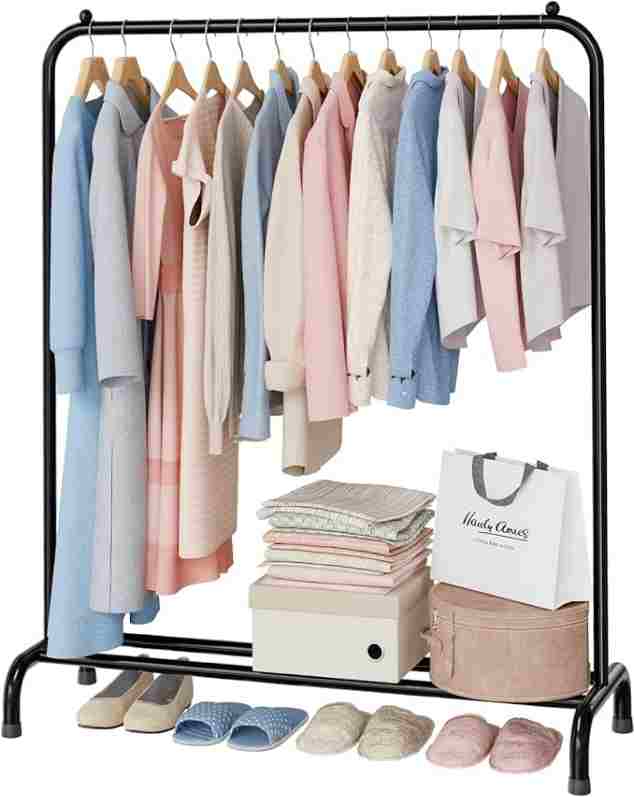
If you want a more stylish and cool look, a clothing rack is an aesthetic choice as a plant display. Plus, in a small space, this also doubles as a room divider.

- How to style it.
- Hang plants at different heights.
- Mix with baskets and neutral hanging decor.
- Keep spacing balanced to avoid a cluttered look.
- Why is this a great idea?
- No wall contact at all.
- It’s fully renter-safe.
- Easy to rearrange and move whenever you want.
- A Budget Tip.
- Check thrift stores or second-hand marketplaces for affordable racks. This is perfect for a modern, minimalist, or boho aesthetic using indoor plants.
5. Hang Plants from the Curtain Rod
Curtain rods are stronger than they look and can support small to medium plants. Just make sure your curtain rod is securely installed and not overloaded.
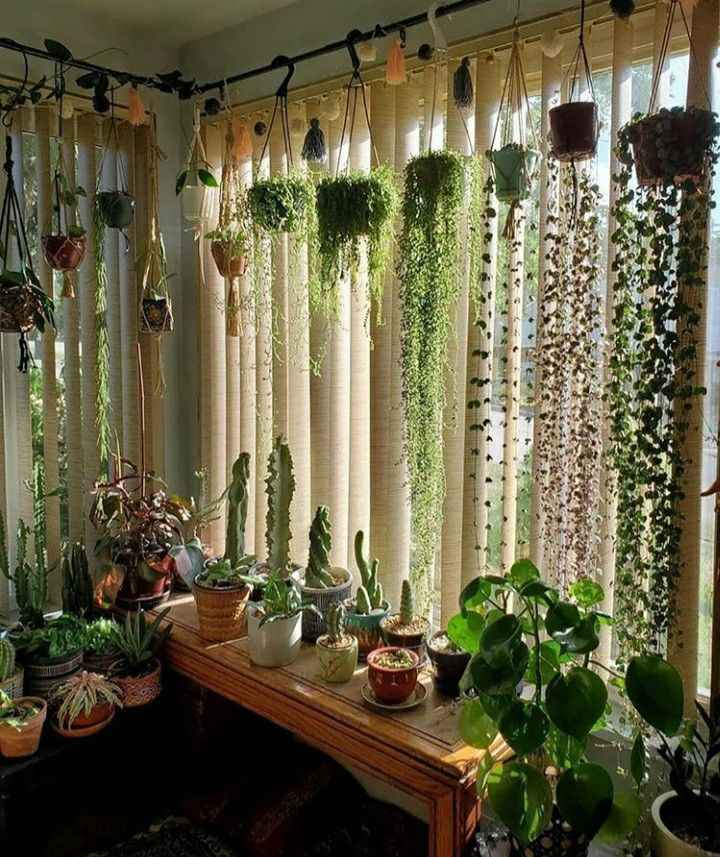
- How to create this look
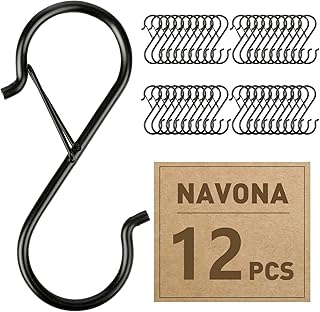
- Hang plants using S hooks or lightweight hangers.
- Pair hanging plants with a soft curtain.
- Why is it effective?
- It makes use of something you already have.
- Keeps plants close to the sunlight.
- Add some interest to plain curtains.
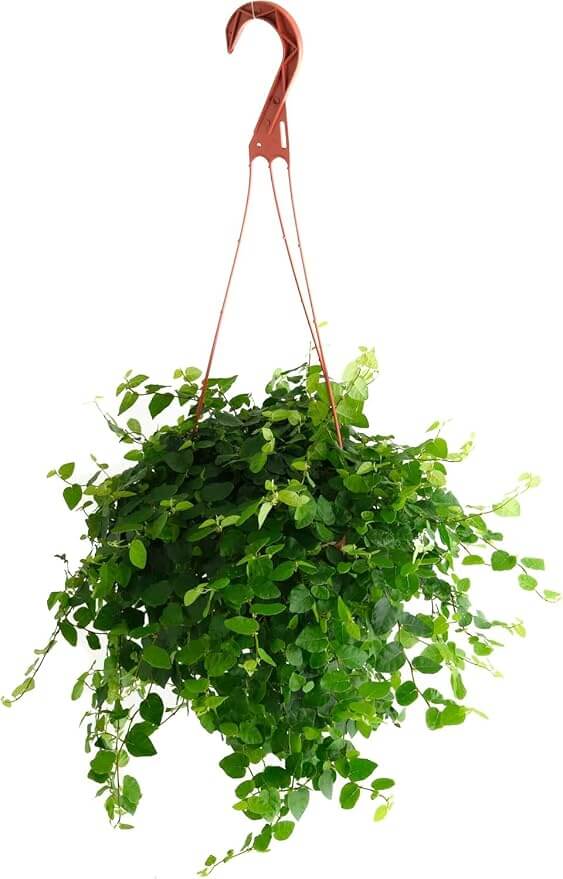
6. Wall Shelves with Trailing Plants (No Hanging Required)
If you’re worried about weight and stability, this is a safer alternative. It’s a great option to get the look of hanging plants without the risk.
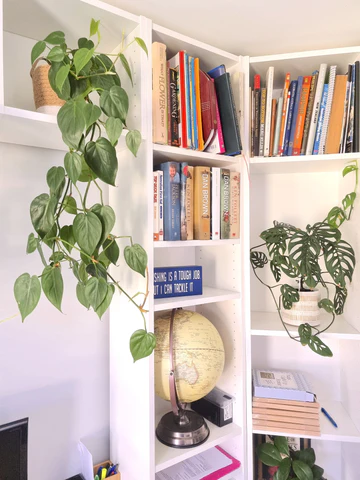
- How it works.
- Place plants on shelves.
- Let vines trail and fall naturally.
- Why does it still fit the “hanging plants” look?
- Creates the same cascading effect.
- It doesn’t take up any floor space, plus it’s easier to manage.
- Best plants or this.
- Pothos
- Philodendron
- Ivy
If you love this look, you’ll also love these creative ways to Style a Wall with Plants.
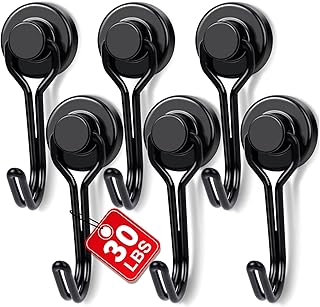
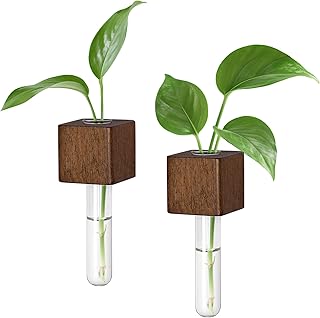
7. Magnetic Hooks for Metal Surfaces
If you have metal surfaces in your home, like a fridge or metal shelving. Take advantage of it. It’s not the lost common method, but it is a surprisingly effective and clever solution.
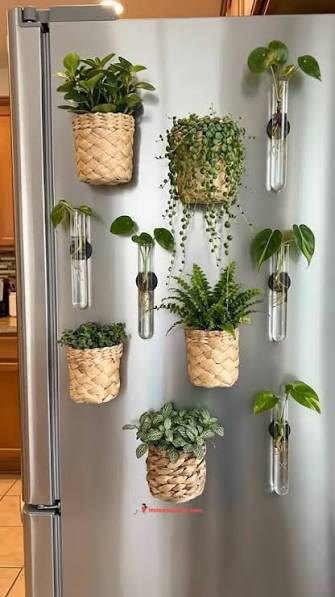
- Why does this work?
- Absolutely no adhesive or drilling.
- Easy to move and adjust.
- Strong enough for small plants. Unless you find a high-powered agent for bigger plants.
- Perfect rooms for this idea.
- Kitchens
- Utility spaces
- Loft spaces or apartments with metal pillars.
Styling Tips for a Clean Indoor Plant Aesthetic
Once you’ve chosen how to hang your plants, the next step is making them look intentional and not cluttered.
- Keep it simple
- Don’t overcrowd your space. A few well-placed plants look better than having too many.
- Vary the heights
- Hang plants at different levels to create depth and visual interest.
- Stick to a color palette
- Neutral pots or matching materials to help create a cohesive look.
- Balance you space
- If one side of the room has hanging plants, balance it out with decor or furniture on the other side.
- Add flowers
- You can also mix plants with flowers for a softer look.
If you’re styling a guest room, plants are an easy way to make it feel more welcoming. Here are Functional Guest Room Ideas to Inspire You.
Common Mistakes to Avoid When You Hang Plants Indoors
Avoiding these mistakes will instantly make your plant decor look more polished and prevent damage.
- Hanging plants too low.
- This can make a space feel cramped and cluttered.
- Ignoring weight limits.
- Always check what your hook or rod can support.
- Blocking natural light.
- Plants need lights, but don’t sacrifice function for aesthetics.
- Overcrowding small spaces.
- Less is more, especially in apartments.
- Using the wrong plants.
- Some plants are too heavy or require more than expected.
Bathrooms can be surprisingly plant-friendly spaces thanks to their higher humidity levels. For more inspiration, discover these creative Bathroom Plant Ideas, even if your bathroom doesn’t have a window.
Best Low-Maintenance Plants To Hang Indoors
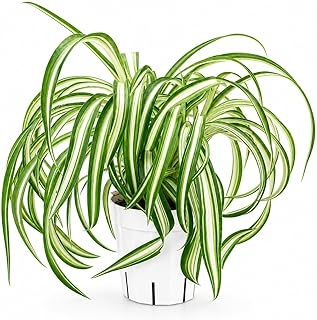
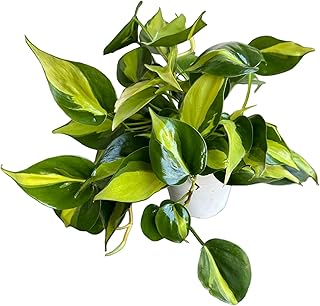
If you’re starting your plant journey, choose plants that are easy to care for. These plants are perfect if you want something that looks good without requiring constant attention.
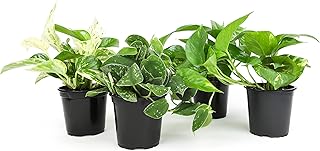
Very forgiving and a fast-growing plant.
Low maintenance and very adaptable.
Perfect plant for beginners.
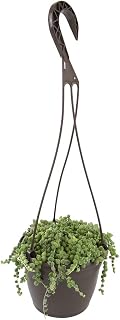
Ideal for bright spaces and trails beautifully.
Not sure how to care for these? Start with these Indoor Plant Care Tips that Actually Work.
Hang Plants Indoors Without Damaging Your Walls.
Creating a beautiful indoor plant aesthetic doesn’t require drilling holes or making permanent changes. With the right approach, you can find renter-friendly ways to hang plants indoors that are stylish, practical, and easy to maintain.
Start small, choose the right method for your space, and focus on creating a setup that works for your lifestyle and personal home styling approach.
A few well-placed plants can absolutely transform your home, and the best part is you can do it without damaging a single wall.